A rigorous, editorial guide to selecting field guides and reference materials for beginner to intermediate observers. We explore how to assess reliability, identify essential features, and align picks with diverse goals—from birding and wildlife watching to stargazing and travel photography. In this landscape, field guides are more than books; they are pocket portals to better observations, sharper notes, and richer curiosity.
At its core, a field guide is a compact, reliable companion for real-time identification, pattern recognition, and factual grounding. For birding, it’s about wings, markings, calls, and ranges. For astronomy, it becomes a map of constellations, deep-sky objects, and observing conditions. The binocular may offer a closer view, but a well-chosen guide translates what you glimpse into knowledge you can act upon in the field. The domain binocularbag.com evokes precisely this ethos: a bag of observational tools—lenses, charts, checklists, and ethics—packed for the journey from first glance to documented discovery.
Credible guides balance accuracy with accessibility. Look for clear organization, up-to-date range maps, and illustrations that distinguish features with minimal ambiguity. An ideal field guide presents both pictures and concise descriptions, cross-references with regional notes, and a transparent edition history that reveals errata and updates. For aspiring observers, reliability isn’t dry pedantry; it’s a habit-forming practice that reduces uncertainty and elevates field confidence.
Building a starter library is a deliberate, phased process. The goal is to assemble a core of trusted references—plus targeted supplements for specific activities. A pragmatic selection checklist can be broken into four layers: scope, format, accessibility, and ethics. Each guide you choose should clearly articulate its intended audience, geographic relevance, and the level of visual or textual support it provides for rapid in-field use.
To illuminate how field guides evolve and endure, consider three singular voices across time: a naturalist of the 19th century whose painstaking drawings shaped early bird identification, a modern field researcher who compiles regional checklists for biodiversity, and a contemporary astronomer whose star charts bridge amateur observation with citizen science. Each offers a template for what makes a field guide trustworthy, actionable, and enduring.
Below is a compact starter library designed for a dual focus—birding and astronomy—with attention to durability, regional relevance, and usability for beginners. Each pick is chosen to illustrate a distinct approach to field knowledge: illustration-driven identification, descriptive taxonomy, and observational scaffolding for beginners.
A compact, richly illustrated guide emphasizing plumage details and vocalization cues. The book offers quick-reference plates against habitat diagrams, enabling rapid cross-checking in diverse environments. Ideal for beginners who learn best from visual cues and patterns, with a clear emphasis on regional species lists and seasonal occurrences.
Suggested format note: pocket-sized, waterproof binding, fold-out habitat maps, and color-coded feature icons for quick scanning in the field.
This guide emphasizes behavioral notes, habitat associations, and ecological context. It serves as a reliable reference for recognizing signs of activity, tracks, and behavior patterns, which can be vital when encountering shy species or nocturnal wildlife.
Suggested format note: modular sections by ecosystem, with quick-field checklists and risk/ethics notes to support responsible observation.
An astronomy guide that couples a clear sky map with a curated list of open clusters, nebulae, planets, and bright deep-sky objects suitable for beginner observers. The best editions pair magnification notes with visible-light information, while keeping names and coordinates accessible for quick lookup in the field.
Suggested format note: laminated sky charts, scaleable night-sky objects, and a compact appendix of observing tips for different phases of the moon and atmospheric conditions.
Guides do not exist in isolation. They interact with the tools you carry—maps, checklists, templates, and the observational discipline you cultivate. Consider the synergy between a durable Silk Laundry Bag as a practical travel companion (to keep field materials organized, clean, and accessible) and field guides you choose for in-field efficiency. For instance, a compact guide can be carried in a pocket or a dedicated pouch within a carry bag, while a larger reference sits at your base camp or in a vehicle kit. This approach mirrors the ethos of binocularbag.com: a curated ecosystem of observation, organization, and ethics, where every item supports clear seeing and responsible reporting.
Compact, durable, and quick to consult in the moment of observation. The right pocket guide reduces hesitation at the moment of sighting, supporting faster and more confident identifications.
Larger formats, with broader maps, more extensive notes, and richer illustrations, serve as a study anchor for developing observers who want to expand beyond beginner proficiency.
Observation is an act of trust—trust in the subjects you observe, in the communities you engage with, and in the scientific and educational traditions that make field study meaningful and enduring. A thoughtful field guide product line acknowledges both ethics and accessibility. It offers multilingual notes, inclusive imagery, and guidance for observing without disruption or disturbance to wildlife. It also recognizes that learning to observe is a lifelong practice—one that benefits from revisiting core guides, cross-referencing with citizen science opportunities, and integrating new findings as they emerge. The journey from novice to informed observer is iterative, shaped by curiosity, patience, and discipline.
Accessibility is not a single feature but a spectrum. A field guide can be designed to be usable for people with varying levels of visual acuity, literacy, or language preferences. Here are practical pathways you can adopt:
When assembling a field-guide library, start with a core set of credible, regionally relevant titles. Then add specialized resources for your preferred activities and environments. Your toolkit should reflect the rhythm of your seasons: migration surges, starry skies in different hemispheres, and the evolving palette of wildlife behavior across years. As you grow, you’ll find that the library is not only a repository of facts but a scaffold for observation itself—the quiet engine that transforms what you glimpse into what you understand.
In the spirit of practical travel and field discipline, a travel-focused Silk Laundry Bag can prove surprisingly useful for organizing field materials, keeping dirty garments separate from clean ones, and maintaining hygiene on long trips. The Silk Laundry Bag examples below illustrate how premium materials and thoughtful design intersect with field use. The following products are included as tangible references to the broader philosophy of carrying essential tools for observation in style and practicality.
100% Mulberry silk, 19 Momme, durable and breathable organization for travel. A refined way to separate items in transit and maintain fabric integrity.
Price: 85.00
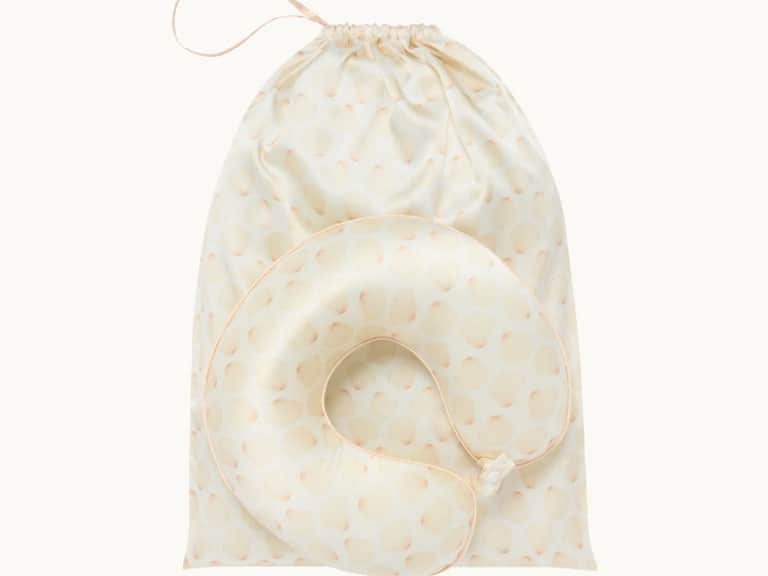
Memo Press collaboration featuring a seashell motif; lightweight protection and elegant travel storage.
Price: 85.00
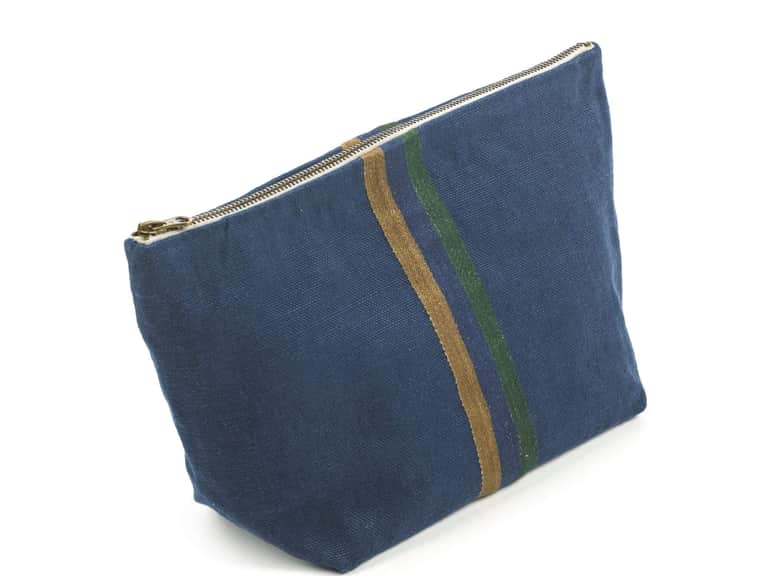
A curated carry-all that can house field-notes, pens, and compact guides for quick reference on-site.
Price: 138.00
Further exploration of a Memo Press collaboration in a refined travel accessory that complements field gear.
Price: 85.00
Note: The Silk Laundry Bag items are included as illustrative complements to the field-guide discussion, illustrating the broader theme of carrying tools for observation.