Field Notes · Outdoor Essentials
Packing a Canvas Tote for a Low-Impact Day Outdoors
A simple bag can make a day outside feel less complicated. With a little thought, a cotton canvas tote can carry the essentials for birding, a nature walk, or an unhurried afternoon outdoors—without turning a short outing into an expedition.
The best packing list is not the longest one. It is the one that helps you stay comfortable, prepared, and attentive to the place you came to experience.
Begin with the outing, not the bag
A morning spent watching birds from a local trail calls for different gear than a full day on exposed paths. Before packing, consider how long you expect to be out, the forecast, the terrain, and what you hope to do. A casual walk near home may need little more than water, a snack, a notebook, and a layer. A longer route can call for extra food, sun protection, and a dependable way to navigate.
That distinction matters because an open, roomy tote makes it easy to bring more than necessary. Every additional object adds weight and can make the contents harder to find. A short pause at the door to decide what the day actually requires is a practical kind of low-impact preparation: fewer things to carry, less chance of leaving something behind, and more room to notice what is around you.
Check local conditions before setting out. A route that is dry and shaded in the morning may be muddy, windy, or hot by midday. On longer or remote trips, use guidance from the relevant park or land manager and carry the equipment appropriate to the route. A casual tote is not a substitute for a purpose-built pack when conditions, distance, or safety requirements call for one.
Build a useful, lightweight outdoor-day kit
For a relaxed outing, start with essentials that support comfort and observation. A useful baseline includes water, food, a light layer suited to the weather, and a way to keep track of the route. Add items according to the activity rather than packing for every possible scenario.
- Water: Carry enough for the duration, weather, and effort involved. A reusable bottle is easy to refill where safe drinking water is available.
- Food: Pack a small snack or lunch in a reusable container. Choose food that travels well and bring any wrappers or leftovers back out with you.
- A light layer: A thin shirt, sweater, or rain shell can help when conditions change. Choose based on the forecast and local exposure.
- Navigation: Take a map or use a reliable navigation method appropriate to the trail. Do not assume your phone will have signal or battery for the whole outing.
- Sun and weather protection: Consider a hat, sunscreen, or rain protection for the conditions. Shade and weather can vary across even a short route.
- Small personal necessities: Include any medications you may need, tissues, and a compact first-aid item suited to your plans.
- A field notebook and pencil: A few written observations can preserve details that a quick photograph may not: time, weather, habitat, sounds, or a question to look up later.
Keep the list flexible. A neighborhood bird walk may need binoculars and a notebook; a coastal stroll might call for a wind-resistant layer; a picnic in a familiar park may center on food and a blanket. The goal is to match the contents to the day, not to create a universal checklist that ignores changing conditions.
If you are carrying binoculars or a camera, give those instruments their own protection. A canvas tote offers general storage, not specialized cushioning. Use a fitted case or padded sleeve, and keep delicate equipment separate from bottles, keys, and anything that could scratch or leak. Do not assume a soft bag will prevent damage if it is dropped or compressed.
Make an open-top tote work for you
The appeal of a canvas tote is straightforward: it has a broad opening, a simple interior, and room for objects with different shapes. That openness makes it convenient when you want to reach for a notebook or layer without unfastening several closures. It also means contents can shift, spill, or be exposed to rain more readily than they would in a bag with a secure closure.
Think of the tote as a container with zones. Put the things you will reach for often near the top, and place heavier, less frequently needed items lower down. A bottle should stand securely and be checked for leaks before it goes in. If the bag has no internal pockets, small pouches can create simple divisions: one for personal essentials, another for snacks, and a protective case for optics or electronics.
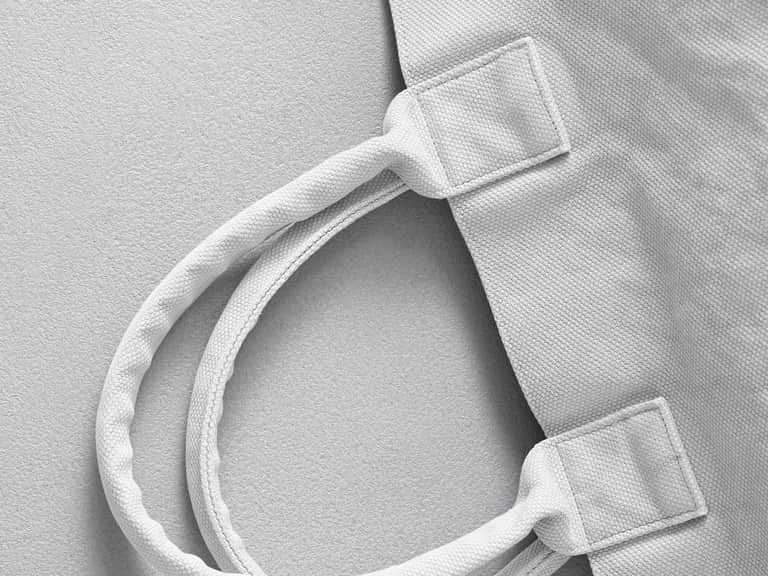
A spacious cotton canvas shopper such as the Drai Bag can suit the broad, uncomplicated packing needs of a casual outing. Its product information describes a 100% cotton canvas construction, a garment-dyed finish, and an open design with no zip. That combination makes it important to think about how you group and protect what you carry, particularly if the day might bring rain or a crowded route.
Capacity is useful only when the load remains manageable. Test your packed bag before leaving: lift it by its handles, walk around with it, and check whether it feels comfortable. A tote’s carrying style may be less suitable for a long hike than a backpack that distributes weight across both shoulders. For an easy walk, a park visit, or a short trip between places, the tote may be a practical choice; for steep terrain or a long distance, choose a carry system designed for that job.
Use pouches to keep small things findable
Loose items tend to migrate to the bottom of an open bag. Keys disappear beneath a sweater; a pencil slips under a snack container; a phone picks up grit from a trail. Grouping small essentials in pouches creates order without requiring a complicated organizer. The pouch does not need to be large or specialized. Its purpose is simply to keep a few related things together.
One small pouch might hold a pencil, notebook clips, and a folded route note. Another could keep tissues, sunscreen, and other personal items together. Keep snacks in a food-safe, washable container or wrapper and separate them from anything that might leak. If you bring a phone, camera, or other electronic device, use a protective case designed for it rather than relying on a fabric pouch as waterproofing.
It is useful to keep damp or dirty items apart from clean ones. A reusable bag can hold a muddy glove or a damp layer on the journey home, but do not seal wet items away for long periods. Air them out after the trip. For food scraps, take them home or use a suitable disposal point; do not leave them on the trail or assume they will harmlessly disappear.
Try to make every pocket or pouch earn its place. Too many small containers can slow packing and add bulk. A simple layout—frequently used items near the opening, fragile gear in its case, and heavier objects low and stable—is often enough for a short outdoor day.
Protect the things that matter
Open-top bags are convenient, but they do not offer the same protection from weather or movement as a closed, structured bag. Rain can reach the contents, and an abrupt bend or crowded bus can tip items toward the opening. Plan around those limitations rather than expecting the tote to solve them.
For uncertain weather, place vulnerable objects in their own protective cases or use a separate waterproof cover appropriate to the item. Keep a phone away from unsealed drink bottles. Store binoculars and cameras where they cannot knock against hard objects. If you carry a notebook, a slim cover or a resealable protective sleeve can help guard it from damp conditions, though it is still wise to keep the whole bag out of heavy rain.
On a birding outing, take care not to let the bag become a source of disturbance. Avoid rummaging noisily while close to wildlife, and do not approach animals simply to obtain a better view. Observe from a respectful distance, keep to permitted paths, and follow local guidance about sensitive habitats. The purpose of a field kit is to support attention, not to justify getting closer than conditions allow.
For general security, keep valuables to a minimum and carry essential items where they are easy to monitor. An open tote is not designed to conceal or secure belongings in a crowded setting. If you will be travelling through busy areas or leaving the bag unattended, reconsider whether it is the right choice for the day.
Pack with observation in mind
Outdoors, a notebook can be as useful as any piece of equipment. A brief record gives shape to attention: the time you heard a call, the direction a cloud bank moved, or the plants growing at the edge of a path. You do not need to identify everything. Write down what you noticed and what you are unsure about. Later, a field guide or trusted local resource can help answer questions without turning the walk into a race to name every sound or shape.
For birding, note the date, location, habitat, weather, and a few visible or audible details. Distinguishing marks, movement, size relative to familiar birds, and the character of a call can help you review an observation afterward. Record uncertainty honestly. A careful “possible” identification is more useful than a confident guess that cannot be checked.
For nature walks, look beyond the most conspicuous subject. Notice the layer of leaves underfoot, the temperature in a shaded hollow, or the way wind moves across a stand of grass. Photographs can help document a scene, but they do not record every detail. A short written note can preserve context and encourage closer looking.
Bring only the tools you can use comfortably. Binoculars are valuable when you know how to handle them and can observe without disturbing wildlife. A phone can provide a map or record a photograph, but repeated checking of a screen can draw attention away from the place itself. Decide what you want the device to do before you leave, and consider keeping it away for stretches of the outing.
A simple packing sequence
A short routine can make the bag easier to load and unload. Begin with the largest, least frequently used item, such as a folded layer, at the bottom. Place heavier items low and close to the center so the bag does not swing awkwardly. Keep the water bottle upright and separated from electronics. Put your notebook, map, and snack near the top, where they are easy to reach without emptying the tote.
Before heading out, pause for a final check:
- Does the list match the route, duration, weather, and activity?
- Are fragile or electronic items in suitable protective cases?
- Are liquids sealed and placed where a leak will not affect the rest of the contents?
- Can you reach the items you expect to use often?
- Is the bag comfortable when fully packed, or should something be left behind?
- Do you have a plan for carrying out all wrappers, containers, and other waste?
This last check also helps prevent the familiar end-of-day search for a missing key or pencil. Keep the packing arrangement consistent from one outing to the next, and returning items to their usual pouch can make the next departure simpler.
Care for the tote after the outing
Outdoor use can leave a canvas bag dusty, damp, or marked by food and soil. Empty it when you get home, remove crumbs, and let the fabric dry fully before storing it. Shake out loose grit outdoors where appropriate, and check seams and handles for signs of wear. A small repair made early may extend the useful life of a bag.
Follow the care instructions provided for the specific bag. The Drai Bag product information states that it is machine washable, but washing methods and appropriate settings can vary by product and finish. Check the current care label or official product guidance before washing. Empty the bag first, and avoid putting it away while wet. When cleaning, consider the least intensive method that addresses the soil: spot-cleaning may be enough for a small mark.
Care is part of practical low-impact use. Reusing a bag for outings, errands, or storage can make it more useful across different parts of daily life. But no material is impact-free simply because it is natural or reusable. The value comes from using what you have thoughtfully, caring for it, and avoiding unnecessary replacement.
Let the bag serve the day
A canvas tote is not specialist hiking equipment, a rain cover, or a padded camera case. It is a straightforward carrier that can be useful when its strengths match the outing: easy access, open space, and room for everyday essentials. A well-chosen load and a few simple pouches make those qualities easier to use, while protective cases help guard delicate items from shifting contents.
Pack water, a snack, an appropriate layer, and the tools that support your plans. Keep the load comfortable, protect anything fragile, and account for the limits of an open top. Then leave space for the part that cannot be packed: the pause on a path, the change in light through the trees, or a bird call that sends your attention briefly in a new direction.
When the outing is over, carry everything back out, dry and care for the bag as directed, and make a note of what you actually used. The next packing list can be lighter and more precise. That is often how a useful outdoor routine takes shape—not through more gear, but through paying attention to what the day asks of you.